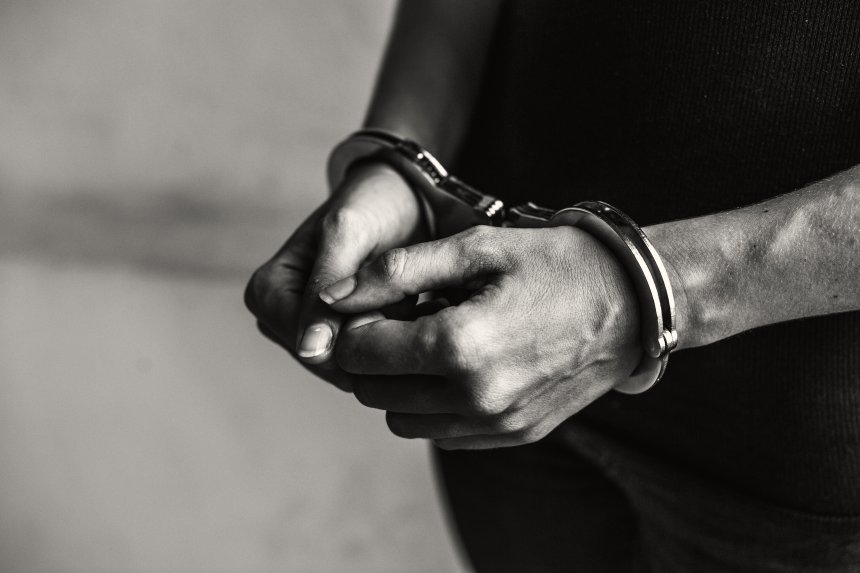
Can Domestic Violence Cases Be Withdrawn?
Considering withdrawing a domestic violence case, or facing one filed against you? Get clear, experienced legal guidance from a family law advocate in Pune. Call +91 11 6926 1749.


Can Domestic Violence Cases Be Withdrawn? A Legal Guide by Advocate in Pune
Introduction
Yes, a domestic violence case can be withdrawn in India, but the process depends heavily on the nature of the case — whether it is a civil complaint under the Protection of Women from Domestic Violence Act, 2005, or a criminal complaint under Section 498A of the IPC (now under the corresponding provision of the Bharatiya Nyaya Sanhita) or other related sections. Each of these follows a different legal path, and understanding this distinction is the first step for anyone considering withdrawal or facing such a case.
Many families reach a point of reconciliation or mutual settlement after a domestic violence complaint has been filed, whether through counselling, mediation, or a broader matrimonial settlement. However, withdrawing such a case is rarely as simple as informing the police or the court verbally. Civil complaints under the DV Act generally require a formal application before the Magistrate, while criminal complaints, being largely non-compoundable, often require a quashing petition before the High Court, especially once an FIR has been registered.
This is a sensitive and legally intricate area, and it affects both parties involved — the person seeking withdrawal after settlement, and the person who may be relying on continued protection or relief under the case. Getting this process right, with proper documentation and court procedure, is essential to avoid future complications for either side.
Advocate in Pune has assisted numerous clients through domestic violence case withdrawals, settlements, and related family law matters, always handling these situations with sensitivity and discretion. If you are considering withdrawal, exploring settlement, or need to understand your options, call us at +91 11 6926 1749 for a confidential consultation.
Why Choose Advocate in Pune
- Dedicated Family and Criminal Law Practice – Extensive experience in domestic violence, matrimonial disputes, and related criminal matters.
- Balanced, Sensitive Approach – We understand the emotional weight of these cases and handle every client with care and discretion.
- Strong Court Presence – Regular appearances before the Family Court, Magistrate Courts, and the Bombay High Court.
- Experience With Both Sides – We represent complainants seeking protection as well as individuals seeking fair resolution or withdrawal of cases, giving us a well-rounded understanding of these matters.
- Honest Legal Guidance – We explain the real legal process clearly, including where withdrawal is straightforward and where it requires High Court intervention.
- Confidential Handling – Every case is managed with strict privacy, given the personal nature of domestic and matrimonial disputes.
Criminal Cases We Handle
- Domestic violence complaints under the Protection of Women from Domestic Violence Act, 2005
- Cases under Section 498A IPC / corresponding BNS provisions (cruelty by husband or relatives)
- Withdrawal and settlement of matrimonial and domestic violence disputes
- Quashing of FIRs under Section 528 BNSS (formerly Section 482 CrPC)
- Maintenance and protection order matters under the DV Act
- Divorce and matrimonial disputes connected to domestic violence complaints
- Bail applications (regular and anticipatory) in 498A and related cases
- Bail cancellation applications and defence against cancellation
Our Legal Services
- Filing Applications for Withdrawal (DV Act Cases) – Preparing and filing withdrawal applications before the Magistrate where both parties agree to settle.
- Quashing Petitions for Criminal Complaints – Filing petitions before the Bombay High Court to quash FIRs under Section 498A or related provisions, based on mutual settlement.
- Drafting Settlement Agreements – Preparing comprehensive settlement deeds covering maintenance, custody, and other related terms alongside withdrawal of the case.
- Representation for Complainants – Advising and representing women seeking protection, maintenance, or residence orders under the DV Act.
- Defence for Accused Persons – Representing husbands and family members accused in domestic violence or 498A complaints, including exploring settlement where appropriate.
- Mediation Support – Facilitating structured discussions between parties, often through court-annexed mediation centres, to reach a workable resolution.
- Bail Assistance – Filing timely bail applications where arrest has occurred or is anticipated in connection with a domestic violence complaint.
Legal Process for Withdrawing a Domestic Violence Case
Step 1: Understanding the Type of Case
The first step is identifying whether the case is a civil DV Act complaint, a criminal complaint under Section 498A/BNS provisions, or both running simultaneously, as this determines the correct withdrawal route.
Step 2: Reaching a Settlement
Both parties, often with legal counsel present, discuss and agree on terms — which may include maintenance, custody, return of belongings, or other matrimonial matters — before proceeding to formal withdrawal.
Step 3: Drafting the Settlement Deed
A clear, comprehensive settlement agreement is prepared, recording all agreed terms to avoid future disputes.
Step 4: Filing for Withdrawal (DV Act Complaints)
For complaints under the DV Act, an application for withdrawal is filed before the Magistrate handling the case, along with the settlement terms if applicable.
Step 5: Quashing Petition (Criminal/498A Complaints)
Since criminal complaints under Section 498A are generally non-compoundable without court permission, a quashing petition is typically filed before the High Court, supported by the settlement deed and both parties' affidavits.
Step 6: Court Hearing and Verification
The court verifies that the settlement is genuine, voluntary, and not the result of coercion, often examining both parties directly before passing an order.
Step 7: Final Order
If satisfied, the court allows withdrawal of the DV Act complaint or quashes the criminal case, bringing the matter to a formal close.
Why Early Legal Advice Matters
- Different cases need different procedures: Attempting to withdraw a criminal complaint the same way as a civil DV Act case can lead to delays or rejection.
- Genuine settlement must be properly recorded: An informal understanding without proper documentation can leave either party legally exposed later.
- Court scrutiny is thorough: Courts examine settlements carefully to rule out pressure or coercion, so professional preparation matters.
- Protecting future rights: Maintenance, custody, or residence rights agreed upon during settlement need to be clearly and legally documented.
- Avoiding repeated litigation: A well-drafted settlement and properly executed withdrawal reduce the risk of the dispute resurfacing later.
Whether you are seeking to withdraw a case after reconciliation or need to understand your rights before agreeing to any settlement, timely legal advice ensures the process is handled correctly and fairly for both sides.
Courts Covered
- Family Court, Pune
- Metropolitan Magistrate Courts, Pune (handling DV Act and 498A matters)
- Bombay High Court (including matters requiring quashing of FIRs)
- District and Sessions Court, Pune
Frequently Asked Questions
1. Can a domestic violence case be withdrawn after filing? Yes, but the process depends on whether it is a civil complaint under the DV Act or a criminal case under Section 498A/BNS provisions.
2. Is Section 498A a compoundable offence? No, it is generally non-compoundable, which is why withdrawal usually requires a quashing petition before the High Court.
3. Can a DV Act complaint be withdrawn easily? Yes, since it is a civil remedy, an application for withdrawal can be filed before the Magistrate handling the case, especially where both parties agree.
4. What is a quashing petition? It is a petition filed before the High Court seeking to quash an FIR or criminal proceedings, often on the basis of a genuine settlement between the parties.
5. Do both parties need to agree for withdrawal? Yes, mutual agreement is essential, and courts examine whether the settlement is voluntary and genuine.
6. Can a case be withdrawn without a settlement? It is uncommon; courts generally expect a valid reason, often a settlement or reconciliation, before allowing withdrawal or quashing.
7. What happens to maintenance if a DV case is withdrawn? This depends on the settlement terms; maintenance arrangements are typically addressed separately within the settlement deed.
8. Can the husband apply to withdraw a case filed by his wife? Only the complainant or, in criminal matters, the court (through a quashing petition) can initiate withdrawal; the accused cannot unilaterally withdraw the case but can pursue settlement and a joint petition.
9. How long does the withdrawal process take? Timelines vary — DV Act withdrawals before the Magistrate can be quicker, while High Court quashing petitions may take longer depending on court schedules.
10. Can a domestic violence case be reopened after withdrawal? Generally, once formally withdrawn or quashed with court approval, the same case cannot be reopened, though this depends on the specific circumstances.
11. Is court appearance necessary for withdrawal? Yes, both parties are usually required to appear, at least once, so the court can verify the genuineness of the settlement.
12. Can a lawyer negotiate settlement on behalf of a client? Yes, lawyers frequently facilitate settlement discussions and help draft fair, legally sound terms for both sides.
13. What documents are required for withdrawal or quashing? Typically the original complaint/FIR copy, a signed settlement deed, and affidavits from both parties.
14. Can protection orders under the DV Act be withdrawn along with the main complaint? Yes, if the main complaint is withdrawn by mutual consent, associated protection or interim orders are generally addressed together.
15. Is mediation compulsory before withdrawing a case? It is not always compulsory, but courts often encourage or refer parties to mediation to explore settlement possibilities.
16. Can domestic violence and 498A cases run simultaneously? Yes, and if both are being withdrawn, separate procedures may need to be followed for each.
17. What if one party later claims the settlement was made under pressure? Courts examine such claims seriously, which is why properly documented, voluntary settlements are essential from the outset.
18. Can a case be withdrawn if the woman has remarried or reconciled with her husband? Yes, reconciliation is a common and valid basis for seeking withdrawal, subject to the court's satisfaction.
19. Does withdrawing a domestic violence case affect a related divorce case? Not automatically; each proceeding is generally treated separately unless the settlement specifically links the two.
20. Can family members named in a 498A case also be covered under a settlement? Yes, if they are named accused, the settlement and quashing petition can be extended to cover them as well.
21. Is it possible to withdraw only part of a domestic violence complaint? This is uncommon; withdrawal typically applies to the case as a whole, though specific reliefs can sometimes be modified with court approval.
22. Can bail be affected if a case is being withdrawn? If the case is quashed or withdrawn, bail-related proceedings connected to it are also resolved accordingly.
23. What if the police have already filed a chargesheet? A quashing petition can still be filed before the High Court even after a chargesheet has been submitted.
24. Can NRIs settle and withdraw a domestic violence case filed in Pune? Yes, this can be managed through legal representation, with appearances arranged as required by the court.
25. How can Advocate in Pune help me with withdrawing my case? We assess your specific case type, guide settlement discussions, draft the necessary documents, and represent you before the Magistrate or High Court to ensure the withdrawal or quashing is completed correctly.
Share
What's Your Reaction?
 Like
0
Like
0
 Dislike
0
Dislike
0
 Love
0
Love
0
 Funny
0
Funny
0
 Angry
0
Angry
0
 Sad
0
Sad
0
 Wow
0
Wow
0